October 19, 2026
Strong for Life: From Looking Fit to Living Well
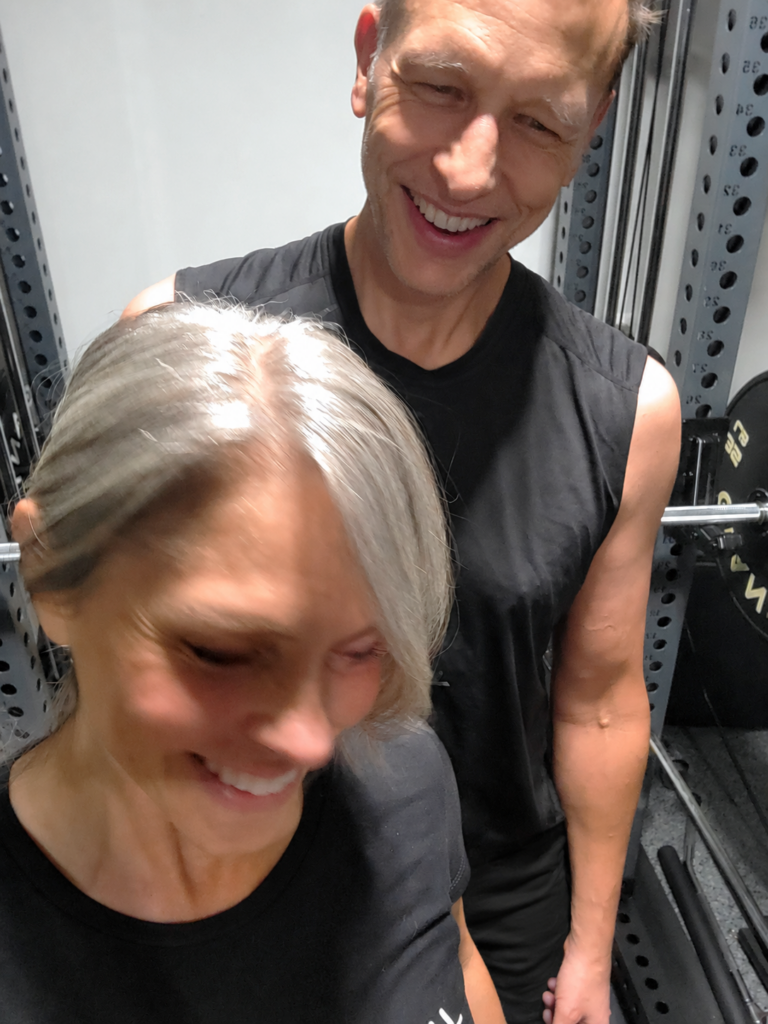
Building muscle isn’t just about looking fit. It’s about feeling good, protecting your health, and staying strong enough to enjoy the life ahead.
There was a time when my main reason for strength training was pretty simple. I wanted to look good. I wanted to be fit, toned, and feel confident in how my body looked. And if I’m being completely honest, I was pretty good at pushing myself. Sometimes a little too good.
But somewhere along the way, my perspective changed.
These days, I still want to challenge my body. I still want to build muscle and feel strong. But I’m not chasing a certain look anymore. I’m thinking about the years ahead and what I want to be able to do with them.
I want to keep doing home projects, traveling, and enjoying the outdoors. I want to be able to get down on the floor with my grandkids — and get back up without needing a rescue crew. 😄 I want to stay active and independent as I get older.
And one of the unexpected gifts of this season is that strength training has become something my husband and I enjoy doing together. It’s time we spend investing in our health and in our future together.
I’ve also learned that taking care of my body doesn’t mean pushing it to its limits every single day. There’s a difference between challenging your body so it grows stronger and pushing so hard that it doesn’t have time to recover.
That lesson took me a while to learn.
And it’s changed not only how I exercise, but how I think about aging well.
Muscle Is About So Much More Than Appearance
For years, when I thought about muscle, I mostly thought about how it made my body look. I knew it was important for fitness, but I didn’t fully appreciate just how much muscle does for our health.
Our muscles help us move, lift, carry, climb, and balance. They support our joints and bones, and they play an important role in how our bodies use energy.
And here’s something I wish more people understood: Muscle is also a big part of metabolic health.
When we eat carbohydrates, our bodies break them down into glucose, which enters our bloodstream. Our muscles use glucose for energy and store some of it for later. When we exercise, especially when we challenge our muscles, we help our bodies use glucose more effectively.
That’s one reason strength training can be so helpful for blood sugar management. Regular resistance exercise can improve insulin sensitivity, which means our cells become better at responding to insulin and taking up glucose.
As someone who has experienced prediabetes firsthand, I find that pretty remarkable. We’re not just building stronger arms and legs. We’re supporting one of the systems that helps keep our blood sugar healthy.
And we don’t have to become bodybuilders to benefit.
The Kind of Strength That Matters More With Every Birthday
Here’s something we don’t talk about enough: As we age, we naturally tend to lose muscle mass and strength. This process can begin earlier than many people realize and may become more noticeable as we get older.
But that doesn’t mean we’re powerless to do anything about it.
Research from the National Institute on Aging shows that strength training can help older adults maintain muscle, improve mobility, and preserve independence.
Think about what that means in everyday life.
Being strong enough to carry groceries without struggling. Getting up from a chair or off the floor without assistance. Walking up stairs, working in the yard, carrying a suitcase, or enjoying a hike without worrying that your body won’t cooperate.
These might not sound like exciting fitness goals. Nobody’s handing out trophies for carrying the Costco haul into the house in one trip. (Although maybe they should. 😄)
But these are the things that help us stay involved in our lives.
And to me, that’s a much better reason to build strength than fitting into a certain pair of jeans.
I don’t want to spend the next several decades simply trying to avoid getting older. Aging is a gift, and I want to approach it that way. I want to do what I can now to protect my ability to enjoy those years.
I’m not training to look younger. I’m training to live well now and as I get older.
I’ve Learned That More Isn’t Always Better
If you’ve followed my story, you know there was a season when I was exercising twice a day, eating what I believed was a healthy diet, and doing everything I thought I was supposed to do.
I was in what I considered the best shape of my life. Yet I was dealing with injuries that weren’t healing well, and I eventually learned I had prediabetes.
That experience changed the way I looked at health.
I began to understand that doing more isn’t always the same as doing what’s best for your body.
And that applies to strength training, too.
Our muscles need a reason to grow stronger. We have to challenge them. But they also need time and resources to recover from that challenge.
Exercise creates the demand. Recovery gives our bodies the opportunity to adapt.
That means getting enough sleep, eating enough nourishing food, allowing time between hard workouts, and paying attention when our bodies tell us something isn’t right.
I still believe in working hard. I still believe in challenging myself. But I no longer believe that every workout needs to leave me on the floor in a heap.
Some days, I feel strong and ready to push a little harder. Other days, I need to adjust.
Learning the difference has been part of learning to care for my body instead of constantly demanding more from it.
And that’s an important lesson at any age.
You Don’t Have to Be a Gym Person to Get Stronger
Maybe you’re reading this thinking, “That sounds great, Erin, but I haven’t lifted a weight in years.”
Or maybe you’ve never lifted one.
That’s okay.
Strength training doesn’t have to mean joining a gym, buying expensive equipment, or following a complicated workout plan.
Resistance training simply means asking your muscles to work against some form of resistance. That might be dumbbells, resistance bands, weight machines, or even your own body weight.
According to the CDC, adults should aim for muscle-strengthening activities that work the major muscle groups on at least two days each week.
If you’re starting from scratch, though, the goal isn’t to jump into a full workout routine overnight. It’s to begin at a level that fits your current abilities and build from there.
Here are a few simple places to start:
- Practice sitting down and standing up from a sturdy chair. This challenges the muscles in your legs and hips, which are important for everyday mobility.
- Try wall push-ups. They’re a gentle way to begin strengthening your upper body without getting down on the floor.
- Use a light resistance band or pair of dumbbells. A few basic movements can help you begin building strength in your arms, shoulders, and back.
- Choose something you enjoy enough to keep doing. Maybe that’s a short routine at home, a class, or working out with someone you love.
A Little Guidance for Getting Started
If you’re wondering how much strength training is enough, here’s some encouraging news. You don’t have to spend hours in the gym to make a difference.
The CDC recommends working your major muscle groups at least two days a week. For many people, a good starting point is one set of 8–12 repetitions of an exercise, using a level of resistance that feels challenging toward the end while still allowing good form.
As you get stronger, you can gradually increase the weight, repetitions, or number of sets. The key word here is gradually. You want to give your muscles a reason to grow stronger without asking your body to do more than it’s ready for.
And don’t forget that strength training is just one part of staying active. Walking, hiking, and activities that challenge your balance all have a place in supporting healthy aging.
If you have an injury, medical condition, or concerns about balance, ask a qualified healthcare professional for guidance. Remember, the goal isn’t to prove how strong you are today. It’s to give your body the opportunity to become stronger over time.
Stronger Together
One of the things I appreciate most about this season of life is that strength training has become something my husband and I enjoy together.
We aren’t just checking exercise off a list. We’re spending time together, encouraging each other, and doing something good for our health.
And I love thinking about what that investment might mean years from now.
I hope we’re still tackling projects, backpacking, and finding new adventures together for a long time to come.
Of course, we can’t control everything about how we’ll age. Life has a way of reminding us of that.
But we can make choices today that support the kind of future we hope to have.
And sometimes those choices are more enjoyable when we don’t make them alone.
What Are You Getting Strong For?
This is the question I want to leave you with.
Not how much weight can you lift? Not how many calories did you burn? And certainly not what size jeans are you wearing?
What do you want to be strong enough to keep doing ten, twenty, or even thirty years from now?
Maybe it’s hiking in the mountains, exploring new places, or keeping up with your grandchildren. Maybe it’s tending your garden, caring for your home, or simply having the freedom to go about your day without needing help with things you used to do easily.
Whatever it is, let that be part of your reason for taking care of yourself.
God has given us these bodies to carry us through the lives we’ve been blessed with. They aren’t meant to be objects we spend our lives criticizing. They’re worth caring for, nourishing, strengthening, and allowing to rest.
And while we can’t guarantee what the future will hold, we can be intentional about how we prepare for it.
These days, that’s what strength training means to me.
It’s not about chasing a younger version of myself. It’s about caring for the person I am today and giving my future self the best chance to keep living fully.
Because I don’t just want to live a long life. I want to be strong enough to enjoy it.
Want more simple, practical ways to build strength, support your health, and live well for years to come? Join my email list or follow Live So Well on Facebook and Instagram for encouragement, helpful tips, and opportunities to learn and grow together. I’d love to have you along for the journey!
Leve så vel. 💛
Erin Palmer, RN, MS, BCFMNS
Functional Medicine Nurse Specialist | Live So Well
Sources and further reading
- National Institute on Aging: How Can Strength Training Build Healthier Bodies as We Age?
- American Diabetes Association: Standards of Care in Diabetes—2026, Physical Activity
- Centers for Disease Control and Prevention: Adding Physical Activity as an Adult