October 12, 2026
Why Your Body Doesn’t Care About Your Healthy Checklist
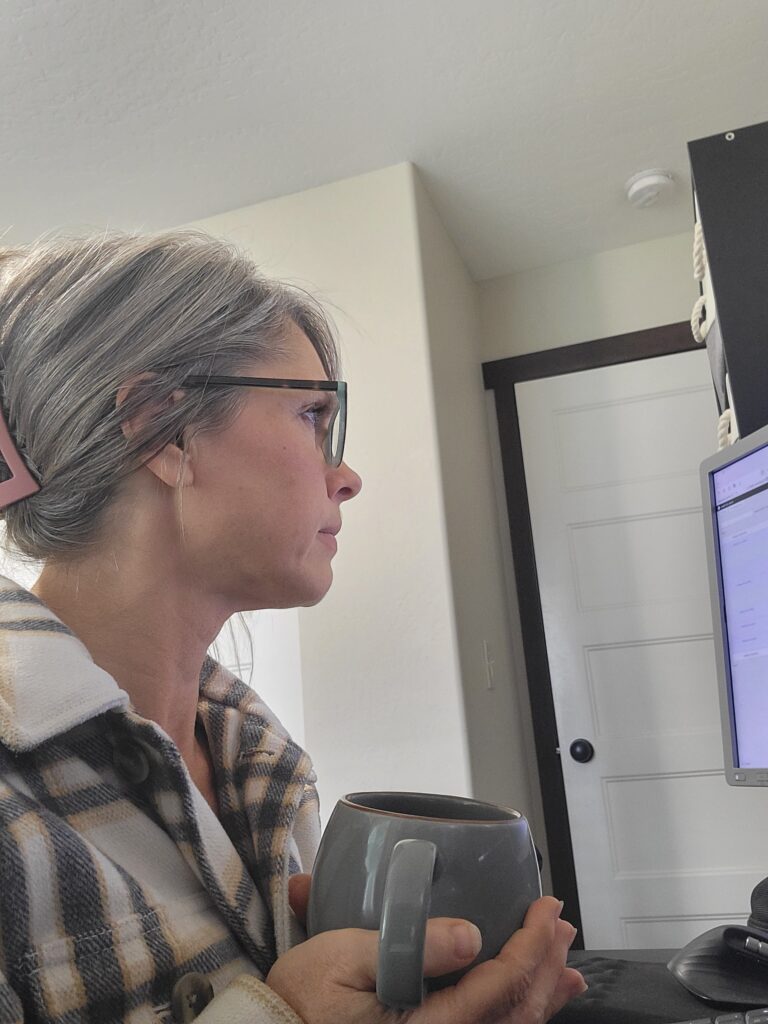
You ate a healthy breakfast. Drank your water. Got your steps in. Maybe even remembered to take your supplements.
You checked all the boxes.
So why, by 3 p.m., do you feel like you could crawl under your desk and take a nap?
If you’ve ever wondered why you’re doing so many healthy things but still don’t feel all that healthy, you’re not alone.
We tend to think of health as a checklist. Eat the right foods, exercise, drink enough water, get your steps in, and keep those lab numbers looking good. Do enough of those things, and surely you’ll feel amazing.
Except our bodies didn’t get that memo.
Your body doesn’t experience your healthy habits one at a time. It responds to the whole life you’re living.
That’s where whole-person wellness comes in. It’s about understanding how the different parts of your health work together, rather than focusing on one healthy habit at a time.
And once you understand that, you may start looking at your health a little differently.
Your Body Is Paying Attention to More Than Your Plate
When we want to improve our health, food is often the first thing we focus on. And that makes sense. Nutrition matters. What we eat helps provide the energy and nutrients our bodies need to function well.
But food is only one part of the picture.
Your body is also responding to how well you sleep, how much stress you’re under, how you spend your days, and even your relationships with other people.
And there’s some pretty interesting research behind those connections.
The American Heart Association has identified eight important measures of cardiovascular health, called Life’s Essential 8. They include nutrition, physical activity, sleep, blood sugar, blood pressure, cholesterol, weight, and avoiding inhaling nicotine.
Notice that sleep made the list right alongside food, movement, and blood sugar.
That’s because our bodies don’t operate in separate departments. What happens in one area can influence what’s happening somewhere else.
And sometimes the thing affecting your health isn’t the thing you’ve been paying the most attention to.
Your Body Doesn’t Know You’re Just Answering Emails
Picture this.
It’s 7:30 in the morning. You didn’t sleep well, you’re already running late, your phone is buzzing, and you’ve just remembered something you were supposed to do yesterday.
You haven’t even finished breakfast, and you can already feel the pressure building.
Sound familiar?
Here’s what’s interesting. When your brain senses stress, your body releases hormones such as adrenaline and cortisol. These hormones help you respond to challenges by making more energy available.
One way they do that is by increasing the amount of glucose available in your bloodstream.
This is a normal, useful response. It’s part of how God designed our bodies to handle demanding situations.
But here’s the catch: your body can respond to stress even when the stress is coming from an overflowing inbox rather than a physical threat.
According to the UCSF Diabetes Teaching Center, stress hormones can signal the liver to release more glucose and temporarily make body tissues less sensitive to insulin. This is especially important for people who are managing diabetes.
Now, that doesn’t mean every stressful morning will send your blood sugar soaring. Our bodies respond differently, and glucose levels are influenced by many things.
But it does mean there’s more happening with your blood sugar than simply what you ate for breakfast.
And if you’ve ever looked at a glucose reading and thought, What in the world? I didn’t even eat anything! — this is one possible piece of the puzzle.
What Happens at Night Doesn’t Stay at Night
Let’s talk about sleep for a minute.
Most of us know we should get more of it. But when life gets busy, sleep is often the first thing we borrow time from.
Just one more load of laundry. One more episode. One more thing to finish before bed.
And somehow, bedtime gets pushed back another hour.
Here’s why that matters beyond simply feeling tired the next day.
In a randomized study published in Diabetes Care in 2024, researchers studied women who normally slept seven to nine hours a night. For six weeks, the women reduced their sleep by about 90 minutes each night.
The researchers found that this sleep restriction reduced insulin sensitivity.
That means their bodies became less responsive to insulin, the hormone that helps move glucose from the blood into cells.
And we’re not talking about people staying awake all night. We’re talking about losing roughly an hour and a half of sleep.
That’s worth paying attention to.
The study doesn’t mean one late night will damage your metabolic health, or that better sleep automatically fixes blood sugar problems. But it does show why sleep deserves a place in the conversation.
You can be carefully watching what’s on your plate while overlooking something happening on your pillow.
And sometimes supporting your health may look less like adding another supplement and more like turning off Netflix and going to bed.
I know. Not nearly as exciting as buying a new wellness gadget. 😄
Your Relationships Matter More Than You Might Think
Here’s another connection we don’t talk about enough.
The people in our lives can influence our health, too.
In 2023, the U.S. Surgeon General released a report reviewing research on loneliness, social isolation, and health. The findings showed that people who experience loneliness or social isolation have higher risks of several health problems, including heart disease and stroke.
Much of this research is observational, so it doesn’t prove that loneliness directly causes these conditions. But it does show that social connection deserves to be taken seriously as part of our overall health.
And this is where I think our modern lives can get a little upside down.
We’re busy trying to take care of everything. We work, run errands, care for family, keep up with appointments, and try to squeeze in all the healthy habits we’re told we need.
Then we look at the clock and realize another day has gone by without much time to simply enjoy the people we love.
Maybe you’ve been meaning to call a friend, have coffee with someone, or sit down for a meal without everyone staring at a screen.
Those moments can seem less important than getting another task checked off the list.
But what if they’re part of taking care of ourselves, too?
I’m not suggesting that coffee with a friend replaces exercise or that a good conversation fixes a medical condition.
I’m saying that connection belongs in our picture of health.
And often an hour around the table with people we love is time very well spent.
So, Do We Need an Even Longer Healthy Checklist?
At this point, you might be thinking, Great. Now I need to eat well, sleep perfectly, manage my stress, AND have a thriving social life?
Please tell me there’s not going to be a quiz. 😄
Nope.
That’s actually the opposite of what I want you to take away from this.
Whole-person wellness isn’t about adding more things to your already-full plate. It’s about understanding that the different parts of your health work together.
And sometimes, instead of trying harder in the area you’ve been focusing on, it helps to notice another area that could use a little attention.
Maybe you’ve been working hard on your nutrition but regularly getting five or six hours of sleep.
Maybe you’ve been working hard to balance your blood sugars but haven’t noticed how stressful your days have become.
Or maybe you’ve been so busy doing all the things you’re supposed to do for your health that you’ve had very little time to enjoy the life you’re trying to stay healthy for.
That last one is worth thinking about.
Because what good is a perfectly completed health checklist if we’re too exhausted to enjoy our lives?
Try Looking at Your Week a Little Differently
Here’s something simple I’d encourage you to do over the next few days.
Instead of: Did I do all the healthy things today? Try asking: What does my body need a little more support with right now?
Think about how you’ve been sleeping. Notice whether your days feel rushed from beginning to end. Pay attention to whether you’re making time for meals, rest, and the people who matter to you.
You don’t need a new app, a spreadsheet, or seventeen colored highlighters.
Just a little curiosity.
Then choose one realistic change that could help. Maybe that’s protecting your bedtime, taking a few minutes to slow down during lunch, or finally making that phone call you’ve been putting off.
And remember, not every symptom is caused by lifestyle habits. If you’re dealing with ongoing fatigue, unusual blood sugar readings, or symptoms that aren’t improving, it’s important to work with your healthcare provider to understand what’s going on.
Looking at the whole person means taking those concerns seriously, too.
Whole-Person Wellness Is Bigger Than a Checklist
Last week, I shared the story behind the name Live So Well and my Norwegian grandmother’s little phrase, Leve så vel.
The older I get, the more I appreciate what those words mean.
I don’t want to spend my life collecting gold stars for healthy behavior. I want to care for my health so I can live well the life God has given me.
And I want that for you, too.
That’s why I believe whole-person wellness matters. It’s not about finding one perfect diet, one perfect routine, or one magic answer to every health problem.
It’s about learning how the pieces fit together and making thoughtful choices that support your body and your life.
You are more than your lab results, your food choices, or the number of steps you took today. And your health deserves to be treated that way.
So here’s a question to carry with you this week:
What part of your health have you been working the hardest on? And what part might be quietly asking for a little more attention?
Maybe the next step is to step back to see the bigger picture.
Leve så vel. 💛
Erin Palmer, RN, MS, BCFMNS
Functional Medicine Nurse & Founder of Live So Well
Want to Live So Well?
Get practical health tips, simple steps, and a little encouragement delivered to your inbox. Because taking care of your health shouldn’t feel like another full-time job.
Join the Live So Well email list →
Research and Further Reading
U.S. Surgeon General (2023) — Social Connection and Health
American Heart Association — Life’s Essential 8
UCSF Diabetes Teaching Center — Blood Glucose & Stress
Diabetes Care (2024) — Chronic Insufficient Sleep in Women Impairs Insulin Sensitivity